
Breathing Well
Making every breath count

Being able to breathe is your body’s number one priority.
Anything that affects your airway will result in an immediate change of your body’s posture to enable you to breathe freely.
Changing your body posture can alter how well your spine and nervous system are working. This can result in symptoms in other, seemingly unrelated, parts of your body.
Breathing well is a balance of mechanics and physiology reflexive pathways and pressure dynamics.
Making sure your spine and nervous system are working correctly focusses on the mechanical aspects of breathing.
The Nasal Release Technique helps open up your airway and ensures your sinuses are able to drain effectively. I use specific massage techniques for voice and swallowing issues as well as to aid lymphatic drainage.
Hypopressive Breathing Exercises allow us to integrate correct breathing reflexes in a variety of body postures, working with correct pressure dynamics to ensure good tone and coordination of your entire core with each
and every breath.

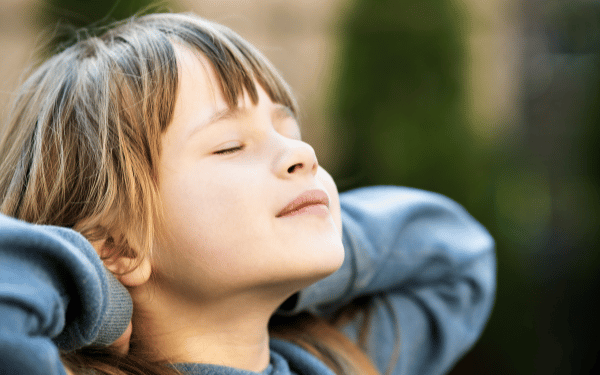
We breathe 16,000 - 20,000 times a day, and we either add to or subtract from our health with each and every breath.
Healthy breathing happens when we breathe silently through our nose, with our lips gently closed and our tongue resting against the roof of our mouth.
Breathing well involves a correctly coordinated reflexive pattern with your diaphragm, pelvic floor and core muscles all working in sync together to optimise your body’s physiology and pressure dynamics.
Mouth breathing stimulates our sympathetic nervous systems, keeping our bodies overly sensitive and less able to move back into a parasympathetic state that is necessary for resting and repair.
Our lips should be together at rest, when working, playing and sleeping. Mouth breathing at any age, day or night, is an indication that something is not working as well as it could and should be.
Healthy breathing happens when we breathe silently through our nose, using our low ribs, diaphragm, pelvic floor and core, with our lips gently closed and our tongue resting against the roof of our mouth.
Bad body posture can result in, or be the result of airway issues. How straight we sit, and how much extra weight we carry will affect the movement of our diaphragm, core and pelvic floor and thus its their strength strength and tone If our airway narrows our body.
If our airway narrows our body will hold our head forward to open it more fully. This poor body posture often then impacts our nervous system. It leads to areas of tightness and pain through our neck and upper shoulder areas, leading to chronic headaches.
Jaw clenching and teeth grinding associated with a poor airway can also lead to jaw issues and be associated with migraines. Non nutritive chewing in children – nails, hair and shirt collars has also been associated with airway issues. Clench your jaw and feel what happens in your pelvic floor. Jaw issues can also be associated with pelvic floor challenges.
Breathing issues can present differently at different ages.
Does your child sit with their mouth slightly open? Their lips should rest gently together at rest.
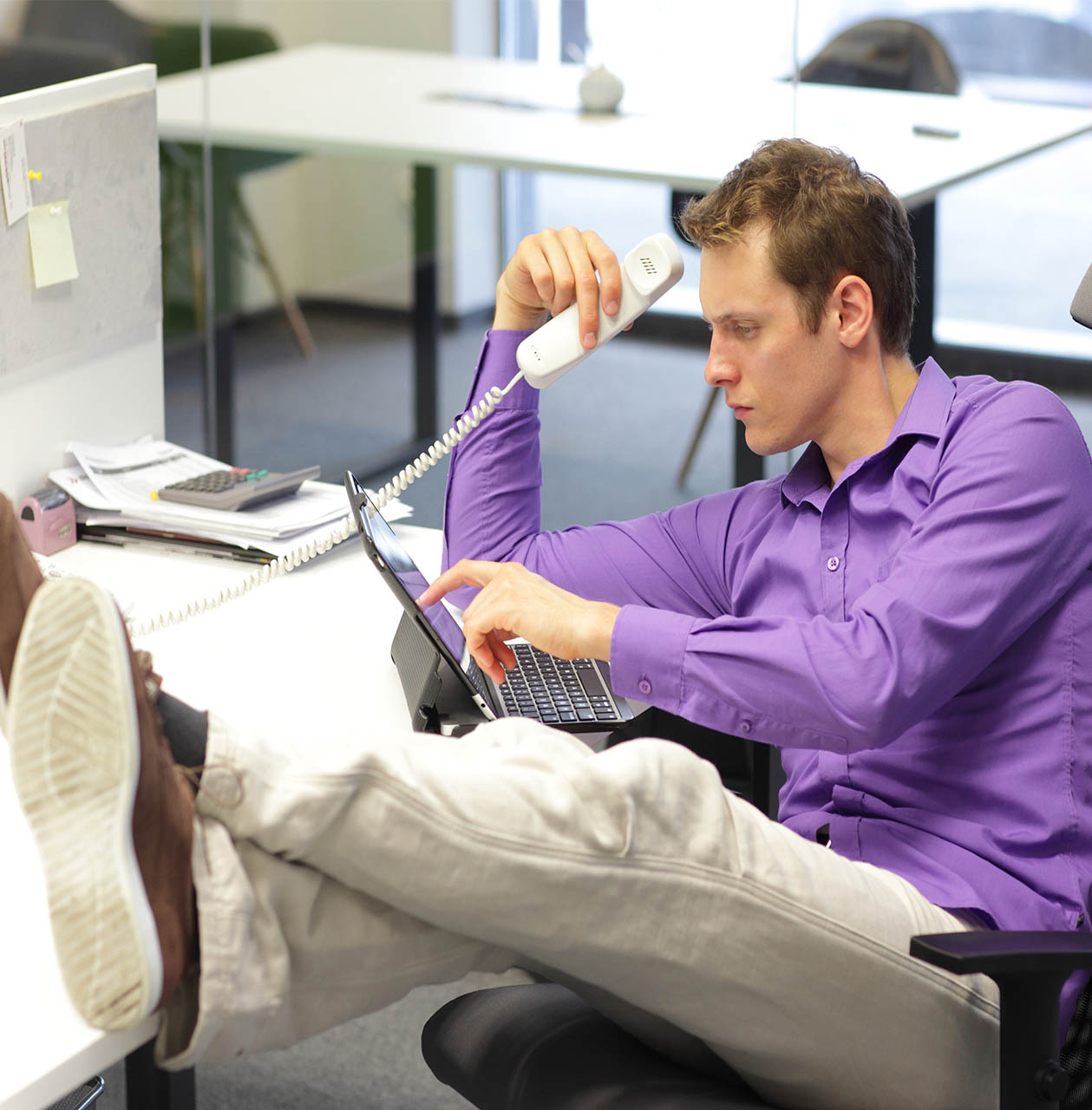

During the day, tired kids are often wired kids. Many children with diagnosis of ADHD and being on the spectrum have undiagnosed challenges with breathing adding to the severity of their symptoms.
In the teenager years, mouth breathing can heighten the experience of emotional issues, most commonly increasing anxiety in girls and depression and aggression in boys.
Dr Alison's Daily Breathing Excercises

Daily Breathing exercises are a great way to start your day, and equally a great way to wind down at night to get yourself ready for bed. If you find yourself awake through the night and unable to sleep, breathing exercises can also be of help getting you back to sleep.
Daily Breathing exercises can help reset bad breathing habits. Dr Alison's recorded breathing exercises take you through breathing in different body postures, allowing you to focus on breathing with the correct body mechanics.
Always done through your nose, using your diaphragm, keeping your breath low, slow, soft and silent, the various postures allow you to feel any restrictions in your breathing to help you retrain better breathing habits.
A small sequence is added at the end that stimulates many of your cranial nerves; the last of which is the ‘gentle face painting’.
They go for 18 minutes in total and are a great way to help you wake up to or wind down from your day, whichever fits best with your lifestyle.